 |
| In Prayer |
But I'll tell you one thing. Don't ask a friar a dumb ass question when he's kneeling and his capuce is on. It means he's in prayer.
 |
| See white capuce inside black capuce |
|
| In Prayer |
|
| See white capuce inside black capuce |
 Remember when we once said, prior to 2011, "and also with you," when the Mass celebrant said, "The Lord be with you." Now we respond with "and with your spirit." With your spirit is not only closer to the original Latin, but it also makes more sense.

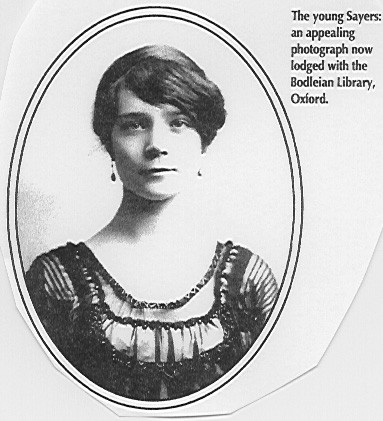 Once, I think, I came across a Lord Whimsey mystery on PBS. I was not impressed. However, today I attended a "Day with Mary," presented by Father Brian Mullady, O.P. and he happened to refer to her. His exact reference was lost on me because he said she wrote The Dogma is the Drama. I can't find this on Amazon. But I've googled around and am fascinated by Dorothy Sayers. She died in 1957, so I consider her contemporary. In her literary way, she was a lay theologian.

 They like to go trick o' treat door to door

 |
468. What is the purpose of punishment?
A punishment imposed by legitimate public authority has the aim of redressing the disorder introduced by the offense, of defending public order and people's safety, and contributing to the correction of the guilty party. Further reading: CCC 2266 469. What kind of punishment may be imposed? The punishment imposed must be proportionate to the gravity of the offense. Given the possibilities which the State now has for effectively preventing crime by rendering one who has committed an offense incapable of doing harm, the cases in which the execution of the offender is an absolute necessity "are very rare, if not practically non-existent." (Evangelium Vitae). When non-lethal means are sufficient, authority should limit itself to such means because they better correspond to the concrete conditions of the common good, are more in conformity with the dignity of the human person, and do not remove definitively from the guilty party the possibility of reforming himself. Further reading: CCC 2267 |
Did you ever wonder why a simple carpenter was called Rabbi? A rabbi is a teacher, a master in spiritual things. And it wasn't just H...


