The story in the Catholic Herald, would make a great movie. A book would be a classic who-done-it.
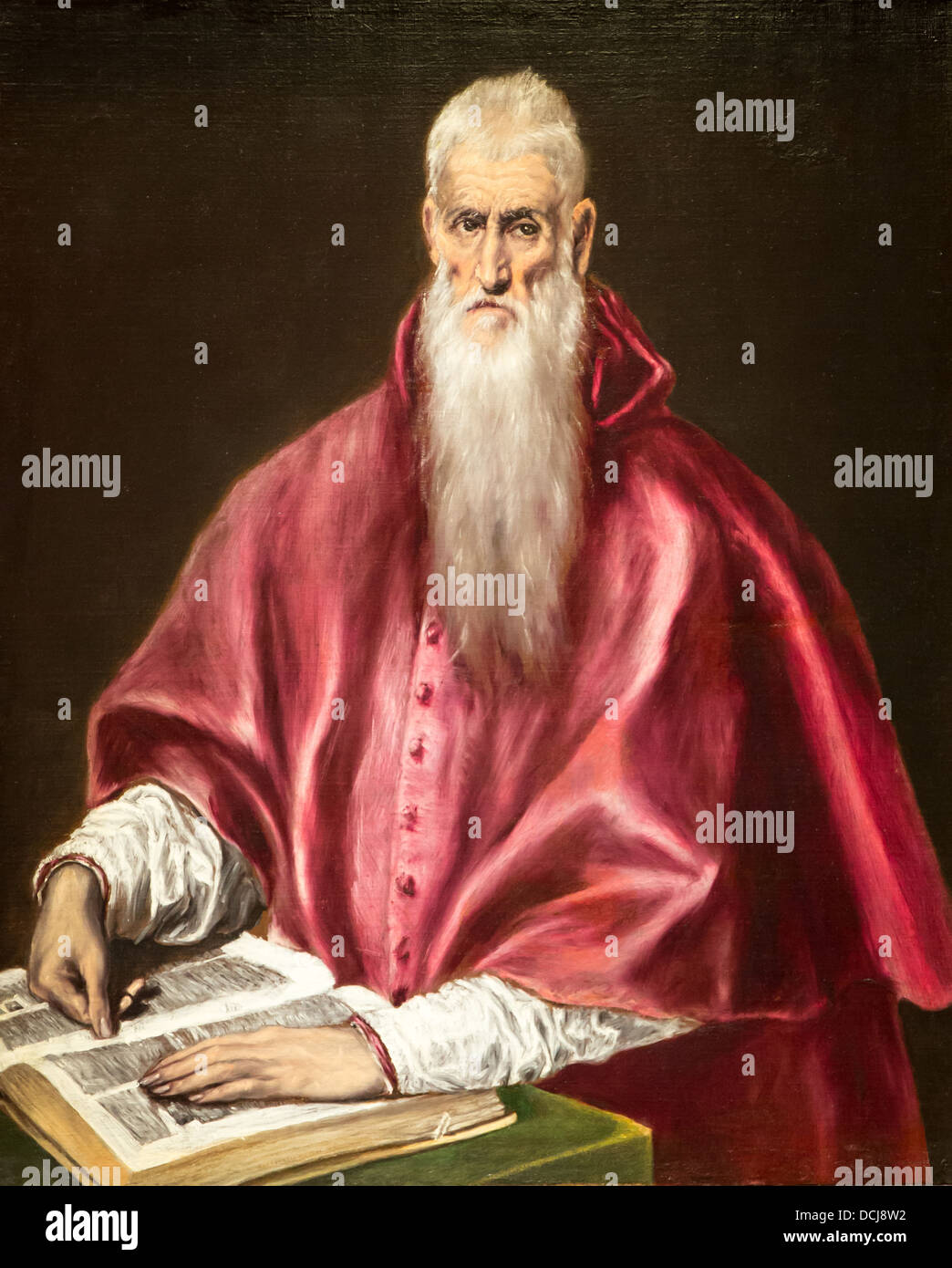
Fr Marius Zerafa, OP, a Maltese Dominican and former museum director, helped retrieve a painting of St. Jerome, stolen from the co-Cathedral of St. John in Valletta on New Year's Eve 1984.
For two years after the heist, nothing was heard about the picture. It had simply vanished. Then one day Fr Marius was approached by a young man who handed him a tape and a Polaroid picture of the painting of St Jerome. Over the next eight months he would work ceaselessly towards retrieving the lost painting.
“They gave me a password,” he says. “And indicated that I wasn’t to speak to the police. They wanted half a million Maltese lire for the painting.”
At the time Fr Marius was director of the Museums in Malta and had set up the National Museum of Fine Arts in Valletta.
Today, the Dominican art historian lectures about sacred art at the Angelicum in Rome, hears Confessions at Santa Maria Maggiore during his holidays, paints, sculpts, does some restoration work and continues to be the chairman of the Archdiocese of Malta’s Commission for Sacred Art. He is full of life and curiosity. His snow-white hair stands on end in marked contrast to his tan, the mischievous twinkle in his eyes is barely hidden by the bottle-thick 1970s-style glasses he sports. Fr Marius is a born storyteller; he has lived through a lot and seen a great deal.
Back in 1986, after the first note was delivered, Fr Marius was worried because he thought the gang might be in cahoots with the police, so he took the injunction not to report the theft seriously. He says he struggled to raise interest in the case either among the country’s ministers or the monsigniori in the local curia. He started getting daily phone calls about St Jerome. Then, in the art thief’s equivalent of chopping off a hostage’s fingers, the gang started sending Fr Marius little pieces of the precious painting. In his efforts to keep the band of thieves talking to him and give them the impression that he was interested in buying the painting back he started negotiating down the price to a quarter-of-a-million Maltese lire.
Was he frightened?
“Well, yes and no,” he says. “I was terribly relieved because after two years we thought that we had lost it. What worried me was that at one time I got a parcel and thought there was a bomb inside but there wasn’t one. And I was worried that they would come to Confession to me because that would have made it difficult.”
If they had come to him, he would have been bound by the seal of the confessional, he says, and would have had difficulty retrieving the painting from them.
After eight months Fr Marius, with the help of a technologically minded young man, managed to trace the calls to a small shoe factory on the island where the thieves were operating. He got hold of their work books and finally passed the information on to the police. It was his first contact with the authorities. A week later he chose August 4, the traditional day on which the Feast of St Dominic is celebrated in Malta, to be the day on which the painting would be retrieved.
The police arrived with helicopters and cars at the arranged meeting place and they retrieved the Caravaggio and arrested the gang members. It emerged that the gang had paid £5,000 to have Fr Marius kidnapped during the exchange.
The members of the Caravaggio gang were never brought to justice. They started a constitutional case against the police because of illegal phone tapping. Of the two men accused, one had possibly been given an overdose and died, while the other died as the case dragged on in court.
The painting was quite damaged as a result of the heist, but was spoiled even more while it was stored by the police. The painting suffered because it had been cut from the stretcher and was rolled up. Fr Marius travelled to Rome in an old military plane without seats to have the painting restored there. He says that it is now in a perfect condition.